

Showing 1–12 of 16 results
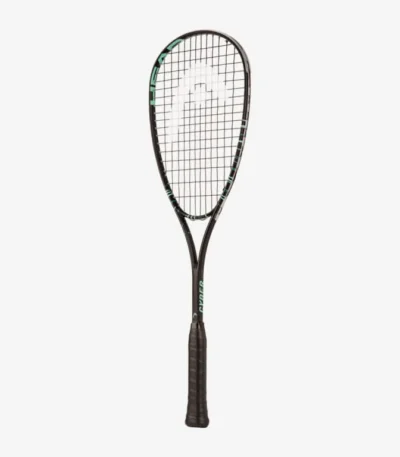
Head Cyber Elite Squash Racket, 2024
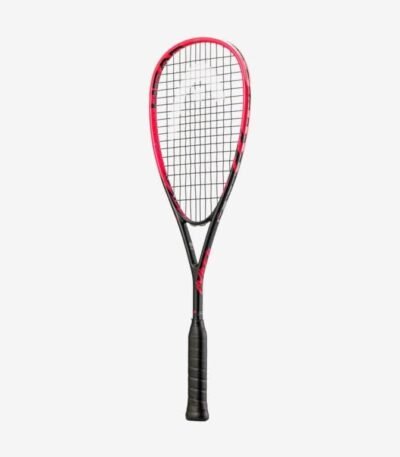
Head Cyber Pro Squash Racket

Head Cyber Pro Squash Racket, 2024
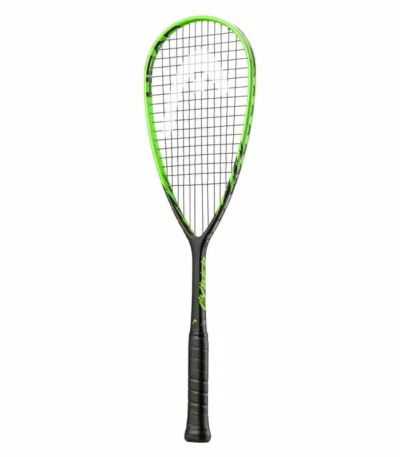
Head Cyber Tour Squash Racket, 2022

Head Cyber Tour Squash Racket, 2024

Head Extreme 120 Squash Racket, 2023
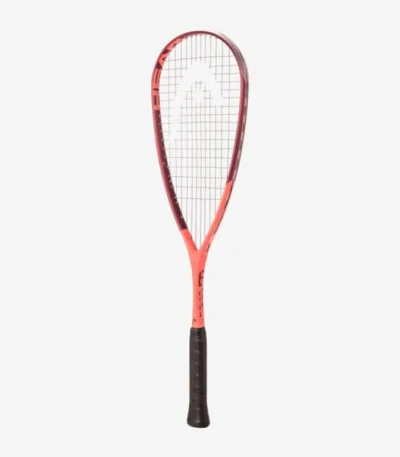
Head Extreme 135 Squash Racket, 2023
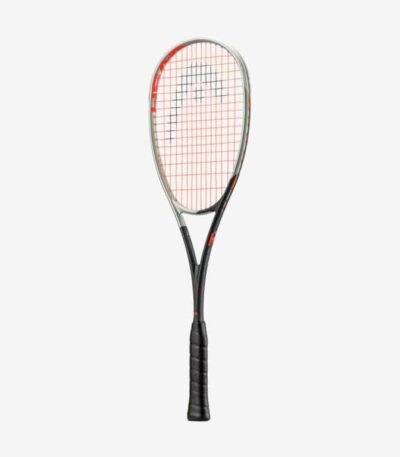
Head Radical 135 Squash Racket
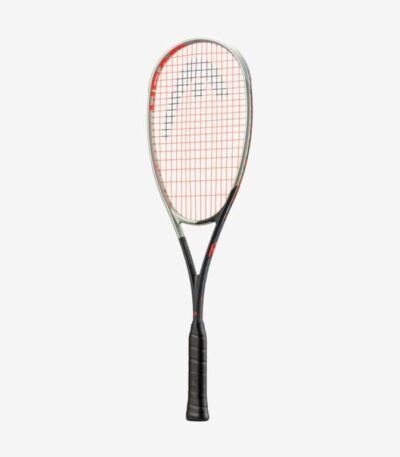
Head Radical 135 X Squash Racket
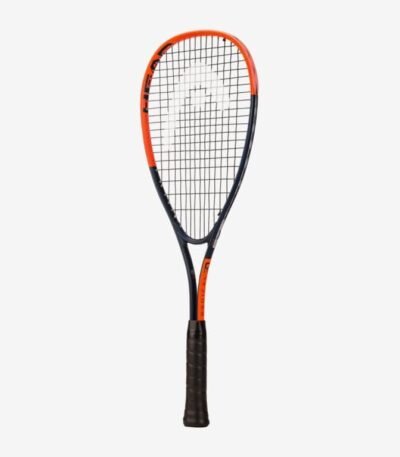
Head Radical Junior Squash Racket, 2024
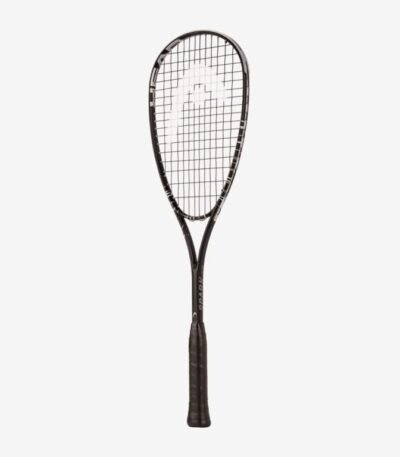
Head Spark Elite Pack Squash Racket, 2024

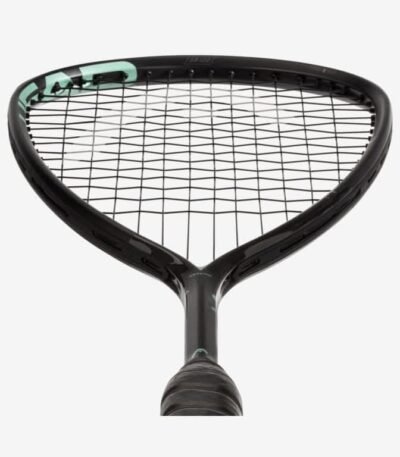
Head Speed 120 Slimbody Squash Racket, 2023
Squash Rackets in UAE for Control, Speed & Precision
A well-chosen squash racket can make every rally feel more controlled, whether you are learning the sport, practising your accuracy, or competing regularly. Squash involves rapid reactions, accurate placement, and repeated swings in a confined court, so selecting equipment that matches your playing style is essential.
Explore squash rackets in UAE designed for beginners, recreational players, club-level competitors, and experienced athletes. Different racket designs offer varying combinations of weight, balance, head shape, frame construction, and string characteristics.
Some players prefer a lightweight racket that is easy to manoeuvre during fast exchanges, while others favour additional stability or a head-heavy design. Comparing these features helps you choose equipment that supports your technique and feels comfortable during matches.
Whether you are playing in Dubai, Abu Dhabi, Sharjah, or elsewhere in the UAE, this guide explains the important differences between squash rackets so you can buy with confidence.
Explore Different Types of Squash Rackets
Squash rackets vary in construction and playing characteristics. Understanding the options helps you narrow your search based on experience, technique, and personal preference.
Beginner Squash Rackets
Beginners often benefit from rackets that are comfortable to handle and forgiving when shots are not struck perfectly.
A suitable beginner racket should provide manageable weight, comfortable grip dimensions, and a response that makes it easier to practise basic strokes.
Some recreational designs use construction features intended to improve stability or provide additional power without requiring advanced swing technique.
For example, the Head Cyber Elite Squash Racket is positioned as a beginner-friendly option with an emphasis on control and stability.
When comparing entry-level models, prioritise comfort and ease of use rather than selecting the lightest or most expensive racket available.
Lightweight Squash Rackets
Lightweight squash rackets are popular with players who value fast handling and quick racket preparation.
They can be useful during volleys, defensive exchanges, and situations where rapid repositioning is required.
However, weight alone does not determine how a racket feels. Its balance point and overall construction also influence manoeuvrability.
The collection includes models such as the Head Extreme 120 Squash Racket for shoppers comparing different weight classes.
Always check whether the manufacturer's listed weight refers to the bare frame or the complete strung racket.
Teardrop Squash Rackets
Teardrop squash rackets generally feature an elongated string-bed design, often without a conventional throat bridge.
Many teardrop designs provide a relatively generous hitting area and can appeal to players seeking a lively response.
The Head Cyber Tour Squash Racket is one example of a teardrop racket. Its listed specifications include a 160 g frame weight and head-heavy balance.
Not all teardrop rackets play identically. Frame stiffness, string pattern, balance, and overall weight can substantially influence the hitting experience.
Conventional Head Squash Rackets
Conventional or bridged-throat squash rackets feature a different frame structure from open-throat teardrop designs.
Depending on the model, they may provide a particular feel for controlled shot placement and racket feedback.
Some players prefer conventional head shapes because they feel more predictable during shorter, precise strokes.
However, head shape alone cannot guarantee control. The string bed, weight distribution, and player technique are equally important.
Compare actual model specifications and, where possible, try a racket before committing to a particular design.
Control-Focused Squash Rackets
Control-focused rackets appeal to players who prioritise accurate length, tight drives, drop shots, and consistent ball placement.
These rackets may use a combination of frame shape, balance, string pattern, and construction characteristics intended to produce a predictable response.
The collection includes Head Radical 135 Squash Racket models for players evaluating different performance specifications.
A racket described as control-focused is not necessarily easier to use for every player. Personal swing mechanics and grip comfort remain important.
Power-Oriented Squash Rackets
Power-oriented designs are intended to help players generate a stronger response during drives, attacking volleys, and other offensive shots.
Some feature a head-heavy balance, larger effective hitting area, or construction that affects energy transfer.
The racket's listed technology should be considered alongside weight, string tension, and player experience.
A power-focused model may suit some recreational players as well as experienced athletes, provided it remains comfortable and manageable.
Junior Squash Rackets
Junior squash rackets are intended for younger players who may need different racket dimensions, weights, and handle characteristics.
A correctly sized racket can be easier for children to control as they learn basic technique.
The category includes the Head Radical Junior Squash Racket.
When selecting a junior racket, consider the player's height, strength, age, experience, and coaching requirements rather than using age alone.
Avoid assuming that a smaller racket will remain suitable as the player develops.
Squash Racket Sets and Starter Packs
Starter packs can be a practical choice for beginners purchasing equipment for their first sessions.
Depending on the product, a pack may combine a racket with selected accessories.
The category includes a squash racket starter pack.
Always check the individual product listing to confirm what is included. Accessories, balls, covers, and grips are not necessarily supplied with every racket or pack.
Squash Racket Comparison Guide
| Racket Type | Typical Player | Main Buying Consideration |
|---|---|---|
| Beginner Racket | New and occasional players | Forgiveness, comfort, stability |
| Lightweight Racket | Players seeking quick handling | Actual weight and balance |
| Teardrop Racket | Recreational to advanced players | String-bed shape and response |
| Conventional Head Racket | Players with specific feel preferences | Head design and feedback |
| Control-Focused Racket | Accuracy-oriented players | Balance, string response |
| Power-Oriented Racket | Players seeking a lively response | Frame design and head balance |
| Junior Racket | Younger players | Appropriate size and handling |
| Starter Pack | First-time buyers | Included components and suitability |
A single racket may fall into several categories. For example, a lightweight teardrop racket can also be designed for power or control.
How to Choose the Right Squash Racket
1. Understand Racket Weight
Squash rackets are commonly sold with frame weight specifications that differ between models.
Lighter frames can feel quicker during racket preparation, while heavier designs may provide a different sensation of stability.
There is no universally ideal weight for every player.
Check whether the published specification includes strings, grip, and other components. Comparing a frame-only weight with a fully strung weight can be misleading.
2. Consider Head-Heavy, Head-Light, and Even Balance
Racket balance describes how weight is distributed along the frame.
-
Head-light: Often associated with quick handling and easier racket preparation.
-
Head-heavy: May provide a more substantial feel during drives and other full swings.
-
Even balance: Can offer a compromise between the two sensations.
These descriptions are general. Rackets with the same nominal balance can feel different because of their total weight and design.
3. Compare Head Shape and Hitting Area
The shape of the racket head influences string-bed geometry and can affect shot response.
Teardrop and conventional designs offer different constructions, but neither is automatically superior.
Consider your playing technique and whether you prefer a forgiving contact area or a particular feel during controlled shots.
4. Check Frame Materials
Squash rackets may use graphite, composite materials, or other frame constructions.
Different materials and manufacturing methods influence stiffness, weight, durability, and impact response.
A frame advertised as graphite does not automatically have the same playing characteristics as every other graphite model.
Compare the racket as a complete design.
5. Review String Pattern and Tension
Strings play an important role in how a squash racket responds when the ball is struck.
String tension affects the feel of the string bed. Lower and higher tensions can produce different power and control characteristics depending on the racket and player.
The appropriate tension also depends on the string type and manufacturer's recommended range.
For beginners, the original factory strings may be sufficient initially. Players who restring regularly should consult an experienced stringer and follow the frame's permitted tension range.
6. Choose a Comfortable Grip
Grip comfort helps you maintain control during long rallies and fast changes of direction.
A grip that is too thick or too thin may feel uncomfortable, particularly when combined with an unsuitable racket weight.
Compatible replacement grips or overgrips can change the handle thickness and feel.
Inspect the grip for wear and replace it when necessary.
7. Match the Racket to Your Playing Level
Beginners may prioritise comfortable handling and consistency.
Intermediate players may start comparing more specific balance and string characteristics.
Advanced players can choose specialised configurations according to their tactics and established technique.
A premium racket is not necessarily the right choice if its handling characteristics do not match your game.
Choosing Squash Rackets for Players in UAE
Squash is played at recreational courts, clubs, and sports facilities across the UAE.
For Beginners and Recreational Players
If you are learning squash, choose a racket that feels comfortable during basic forehand and backhand movements.
Prioritise consistent contact and manageable weight rather than focusing only on power.
Consider whether you need a complete starter setup and check which accessories must be purchased separately.
For Club Players
Regular players may want to refine their equipment choice based on match experience.
A balanced racket can suit a varied game, while some players prefer more specific control or power characteristics.
Comparing two or three models with different specifications can help identify which design feels most natural.
For Competitive Players
Experienced players often have established preferences for racket weight, swing feel, balance, and string tension.
Carefully compare product specifications and consider maintaining a similarly configured spare racket where appropriate.
The objective is consistency and comfort rather than simply choosing the newest model.
Squash Racket Prices in UAE
Squash racket prices in UAE vary according to frame materials, construction, weight, racket series, included accessories, and intended playing level.
Basic recreational rackets and junior models may have different prices from advanced performance designs.
Important cost factors include:
-
Frame material and construction.
-
Racket weight and balance design.
-
Stringing and other technical features.
-
Junior, recreational, or performance positioning.
-
Whether the product is a single racket or a starter pack.
Compare current AED prices directly on the product listings. Check whether a racket is sold strung and whether any cover or accessories are included.
When comparing two rackets, look beyond the price difference to determine which specifications matter to your playing experience.
Squash Racket Maintenance and Care
Regular care can help prolong the usable life of your squash racket.
After playing, wipe the frame and handle with a soft, dry cloth to remove sweat and moisture.
Check the strings for fraying, unusual movement, or broken sections. Inspect the grip for wear and replace it when necessary.
The racket frame should also be checked for cracks, deformation, or other damage. Avoid playing with a structurally damaged racket.
Because temperatures can become high in the UAE, do not leave equipment inside a hot parked vehicle or in prolonged direct sunlight.
Store the racket in a suitable protective bag and avoid unnecessary impacts against court walls or other hard surfaces.
For complementary squash equipment, explore the Squash sports category. You can also browse the broader rackets collection for other racket sports.
Frequently Asked Questions About Squash Rackets
1. What is the best squash racket for beginners?
Beginners often benefit from a racket that offers manageable weight, comfortable handling, and a forgiving hitting response. Consider frame weight, balance, grip size, and head shape when comparing models.
2. What is the difference between lightweight and heavyweight squash rackets?
Lightweight rackets can feel easier to manoeuvre during fast exchanges, while heavier rackets may provide a different sensation of stability. Balance and total playing weight also affect how each racket handles.
3. How much do squash rackets cost in UAE?
Squash racket prices in UAE vary depending on materials, frame construction, model range, and intended playing level. Compare current product listings for accurate AED prices and available options.
4. Which is better: a teardrop or conventional squash racket?
Neither head shape is universally better. Teardrop rackets often provide a relatively generous string bed, while conventional designs offer different frame geometry and feedback. Choose according to your playing preferences.
5. What racket weight should a beginner choose?
Beginners should choose a weight they can control comfortably throughout a session. Consider both the racket's advertised frame weight and balance, since these influence its overall handling.
6. What does head-heavy balance mean in a squash racket?
A head-heavy racket carries more of its weight toward the head. This can create a different swing sensation and may appeal to players seeking a more substantial feel during full strokes.
7. Are junior squash rackets different from adult rackets?
Yes. Junior squash rackets may differ in length, weight, grip size, and intended player age or ability. Select a racket appropriate for the child's physical development and experience.
8. How often should squash racket strings be replaced?
String replacement depends on playing frequency, string condition, and personal preference. Replace broken or significantly worn strings and consult a qualified stringer if performance becomes inconsistent.
9. Can I use a tennis racket for squash?
No. Tennis and squash rackets are designed for different sports and have different dimensions and performance characteristics. Use equipment specifically intended for squash.
10. How should I maintain and store my squash racket?
Clean the frame after use, check the grip and strings regularly, and store the racket in a suitable protective bag. Avoid extreme heat, direct sunlight, and impacts against hard surfaces.
Find the Right Squash Racket for Your Next Match
Choosing a squash racket is about finding the right balance between comfort, control, manoeuvrability, and hitting response.
Whether you need a beginner-friendly racket, a lightweight model for quick exchanges, a junior option, or an advanced racket for regular competition, compare specifications before making your selection.
Explore squash rackets in UAE, review the available designs and current prices, and choose equipment that complements your game.


