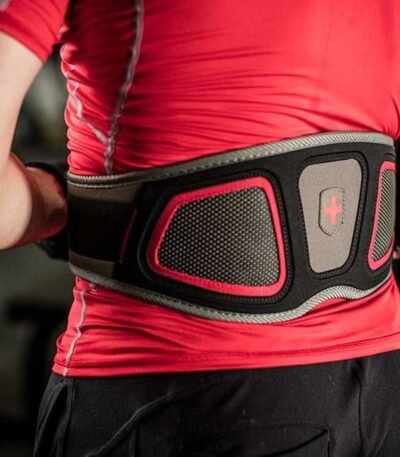
Weightlifting Belts
Categories
  • Weightlifting Belts
Filter by price
    Original price was: AED 150.00.Current price is: AED 135.00.
    Original price was: AED 125.00.Current price is: AED 113.00.
    Original price was: AED 150.00.Current price is: AED 135.00.
    Original price was: AED 230.00.Current price is: AED 199.00.
    Original price was: AED 129.00.Current price is: AED 99.00.
    Original price was: AED 129.00.Current price is: AED 99.00.
    Original price was: AED 129.00.Current price is: AED 99.00.
    Original price was: AED 129.00.Current price is: AED 99.00.
    Original price was: AED 123.00.Current price is: AED 65.00.
    Original price was: AED 100.00.Current price is: AED 78.00.
    Price range: AED 74.00 through AED 88.00
    Original price was: AED 84.00.Current price is: AED 62.00.

    Buy Weightlifting Belts Online in UAE – Gym & Strength Training Belts

    Looking for weightlifting belts in UAE to support your strength training routine? A well-fitted lifting belt can help you create a firmer surface to brace against during demanding exercises such as squats, deadlifts, and other heavy compound lifts.

    Whether you're training in a commercial gym in Dubai, building a home workout space, or progressing toward heavier lifts, choosing the right belt is an important part of selecting suitable strength training accessories.

    Weightlifting belts come in different materials, widths, thicknesses, and fastening styles. The best option depends on your lifting goals, body measurements, comfort, and training experience.

    Explore available gym lifting belts and discover more fitness equipment in UAE to support your strength training needs.

    What Is a Weightlifting Belt?

    A weightlifting belt is a training accessory worn around the torso during selected resistance exercises.

    Its primary purpose is to provide a firm surface against which the abdominal muscles can brace, helping the lifter increase intra-abdominal pressure and maintain trunk rigidity.

    A lifting belt does not automatically prevent injuries or replace correct lifting technique.

    Weightlifting belts are commonly used for:

    • Heavy barbell squats
    • Deadlifts
    • Selected overhead lifts
    • Powerlifting training
    • Olympic-style weightlifting
    • Advanced strength training

    Whether a belt is useful depends on the exercise, training load, and individual lifting technique.

    Types of Weightlifting Belts for Gym Training

    When comparing gym lifting belts in UAE, you may encounter several common designs.

    1. Leather Weightlifting Belts

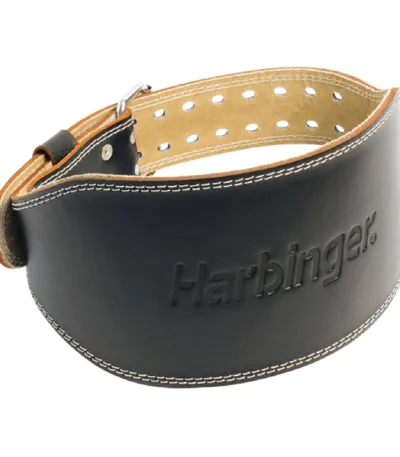
    Leather lifting belts are popular among strength athletes because they can provide a firm surface for abdominal bracing.

    They are commonly associated with heavy barbell training and powerlifting.

    Depending on the model, leather belts may feature single-prong, double-prong, or lever closures.

    2. Nylon Weightlifting Belts

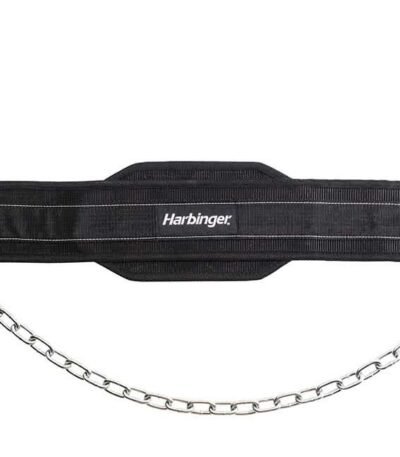
    Nylon lifting belts are generally more flexible than many thick leather models.

    They may be suitable for users who prefer greater freedom of movement during certain exercises.

    Some nylon belts use hook-and-loop fastening systems, often combined with a buckle.

    3. Powerlifting Belts

    Powerlifting belts are designed for demanding strength training movements.

    Many have a relatively uniform width around the torso and a firm construction.

    Their suitability depends on belt specifications, competition rules where applicable, and personal preference.

    4. Weightlifting Belts for General Gym Training

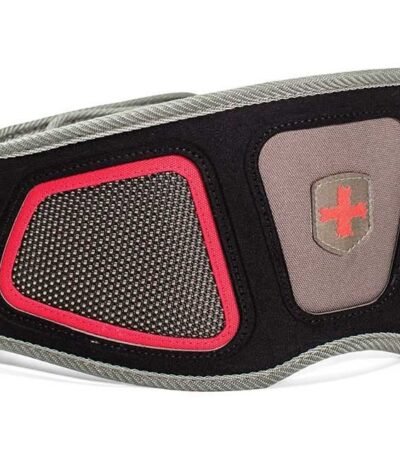
    Some gym belts are designed for a broader range of resistance exercises.

    They may feature different widths or flexible construction to accommodate selected movements.

    Always review the actual product specifications before purchasing.

    Available materials, closure types, and belt designs depend on the current product range.

    Benefits of Using a Weightlifting Belt

    A suitable weightlifting belt can provide several training benefits when used correctly.

    Support Abdominal Bracing

    A lifting belt provides resistance against the abdominal wall, allowing the lifter to brace firmly during heavy exercises.

    Improve Trunk Rigidity

    Effective bracing can help maintain a stable torso during demanding resistance movements.

    However, the belt does not replace proper technique or strength development.

    Support Heavy Strength Training

    Experienced lifters may find a belt useful when performing challenging sets of squats, deadlifts, and other compound lifts.

    Provide Consistent Bracing Feedback

    The physical contact between the belt and torso can help some users recognize whether they are maintaining abdominal pressure.

    Complement Strength Training Equipment

    Weightlifting belts can be used alongside barbells, plates, and other resistance training tools.

    Explore barbells and lifting accessories to find complementary equipment.

    Leather vs Nylon Weightlifting Belts

    Choosing between leather and nylon depends on your preferred exercises, comfort, and training goals.

    Feature Leather Lifting Belts Nylon Lifting Belts
    Construction Generally firmer Generally more flexible
    Common use Heavy strength training General resistance training
    Fastening Often prong or lever Often hook-and-loop and buckle
    Flexibility Depends on thickness Usually more flexible
    Comfort Depends on fit and design Depends on fit and design
    Suitable for beginners Model-dependent Model-dependent

    Choose a leather belt if you prefer a firmer construction for selected heavy barbell lifts.

    Choose a nylon belt if you prefer a more flexible design for general gym exercises.

    Neither material is automatically better for every lifter.

    How to Choose the Right Weightlifting Belt

    Before buying a weightlifting belt online in UAE, consider the following factors.

    1. Choose the Correct Belt Size

    Sizing is one of the most important considerations.

    Measure your torso at the position where you intend to wear the belt, following the manufacturer's sizing instructions.

    Do not assume your trouser waist size will match the belt size.

    2. Check Belt Width

    Belt width affects how the belt sits against your torso.

    A wider belt may provide more surface area for bracing, but it may also feel restrictive for some users.

    3. Consider Belt Thickness

    Thicker belts generally feel firmer, although the exact stiffness depends on material and construction.

    Choose a design appropriate for your exercises and comfort.

    4. Compare Fastening Systems

    Common fastening options include:

    • Single-prong buckles
    • Double-prong buckles
    • Lever closures
    • Hook-and-loop systems

    Each has different adjustment and handling characteristics.

    5. Match the Belt to Your Training Goals

    A belt intended for heavy powerlifting may not be the most comfortable option for every general gym exercise.

    Consider the movements you perform most frequently.

    6. Review Construction Quality

    Check the stitching, material, edges, closure system, and manufacturer specifications.

    Weightlifting Belts for Squats and Deadlifts

    Two of the most common applications for lifting belts are barbell squats and deadlifts.

    Weightlifting Belt for Squats

    During heavy squats, a belt can provide a firm surface for abdominal bracing.

    Proper squat technique, controlled loading, and appropriate training progression remain essential.

    Deadlift Belt UAE

    A deadlift belt may help some lifters maintain effective trunk bracing during challenging deadlift sets.

    However, the best belt position and design can vary according to body proportions and lifting style.

    Should You Use a Belt for Every Set?

    Not necessarily.

    Many lifters perform lighter warm-up sets without a belt and use one for selected heavier working sets.

    Belt use should be based on training goals, exercise demands, and individual preference rather than a fixed rule.

    Do Beginners Need Weightlifting Belts?

    Beginners do not automatically need a lifting belt when starting strength training.

    Learning correct technique, developing trunk strength, and practicing controlled bracing are important foundations.

    A belt may become useful as training progresses and loads become more demanding.

    If you're new to strength training, prioritize:

    • Learning correct lifting technique
    • Selecting manageable weights
    • Practicing abdominal bracing
    • Progressing resistance gradually
    • Following a structured training program

    For additional training options, explore strength training equipment.

    Weightlifting Belts for Home Gyms in UAE

    A lifting belt can be a practical addition to a home gym, especially for users who regularly perform barbell exercises.

    Unlike large gym machines, belts require relatively little storage space.

    Before purchasing, consider:

    • Your lifting experience
    • Belt sizing and fit
    • Preferred exercises
    • Material and stiffness
    • Fastening system
    • Storage requirements
    • Manufacturer care instructions

    If you're building a barbell training setup, you may also want to compare weight plates for strength training.

    Weightlifting Belts for Commercial Gyms

    Commercial gyms, strength training studios, and fitness facilities may provide lifting belts for members performing suitable resistance exercises.

    For shared-use equipment, consider:

    • Multiple size options
    • Durable construction
    • Adjustable closures
    • Cleaning requirements
    • Storage arrangements
    • Manufacturer instructions
    • Regular condition checks

    Because belt sizing and comfort vary, some users may prefer to purchase a personal belt rather than use shared equipment.

    Weightlifting Belt Price in UAE

    The weightlifting belt price in UAE varies depending on material, width, thickness, fastening system, and product specifications.

    A thick leather powerlifting belt may have a different price from a flexible nylon training belt.

    Factors Affecting Weightlifting Belt Prices

    • Leather or synthetic construction
    • Belt thickness
    • Width and shape
    • Buckle or lever design
    • Stitching and finishing
    • Brand and model
    • Product specifications

    When comparing weightlifting belts in Dubai, Abu Dhabi, Sharjah, and other UAE locations, check current product listings for accurate prices and available sizes.

    How to Maintain Your Weightlifting Belt

    Proper maintenance can help keep a lifting belt in suitable condition.

    Follow these general recommendations:

    • Inspect the buckle or closure regularly
    • Check stitching and material for damage
    • Clean using manufacturer-approved methods
    • Allow the belt to dry appropriately
    • Avoid prolonged exposure to excessive moisture
    • Store in a suitable location
    • Stop using a belt with damaged fastening components

    Leather and nylon belts may require different care methods.

    Always follow the product manufacturer's instructions.

    Frequently Asked Questions About Weightlifting Belts

    1. What is a weightlifting belt used for?

    A weightlifting belt provides a firm surface for abdominal bracing during selected strength exercises, including heavy squats and deadlifts. It does not replace correct lifting technique.

    2. What types of weightlifting belts are available in UAE?

    Common types include leather lifting belts, nylon belts, powerlifting belts, and general gym training belts. Available materials, sizes, and closure systems vary by product.

    3. Are weightlifting belts good for beginners?

    Beginners do not automatically need a lifting belt. Learning correct technique and abdominal bracing should come first, although a suitable belt may be useful as training progresses.

    4. What is the difference between leather and nylon lifting belts?

    Leather belts are generally firmer and commonly used for heavy strength training, while nylon belts are often more flexible and suitable for selected general gym exercises.

    5. Should I wear a weightlifting belt for squats?

    A weightlifting belt can be useful during challenging squat sets by providing a firm surface for abdominal bracing. Its use depends on your training load, technique, and preference.

    6. Can I use a lifting belt for deadlifts?

    Yes. Many lifters use belts for demanding deadlift sets to support effective trunk bracing. Proper lifting technique remains essential.

    7. How do I choose the correct weightlifting belt size?

    Measure your torso according to the manufacturer's sizing instructions and compare the measurement with the product's size chart. Do not rely only on trouser waist size.

    8. Are weightlifting belts suitable for home gyms?

    Yes. Weightlifting belts are compact training accessories that may be useful for home gym users performing suitable strength exercises.

    9. How much do weightlifting belts cost in UAE?

    Prices vary according to material, thickness, width, fastening system, construction, and product specifications. Check current listings for accurate UAE prices.

    10. Where can I buy weightlifting belts in Dubai and UAE?

    You can buy weightlifting belts online from fitness equipment retailers serving UAE. Compare available sizes, materials, fastening systems, and product specifications before purchasing.

    Buy Weightlifting Belts Online in UAE

    Whether you're progressing toward heavier squats, improving your deadlift training setup, or selecting accessories for a commercial gym, choosing the right lifting belt can help you maintain effective abdominal bracing during suitable exercises.

    Explore weightlifting belts in UAE and compare available materials, sizes, widths, and fastening systems to find a belt that matches your training requirements.

    Shop weightlifting belts online in UAE and choose a suitable lifting accessory for your strength training routine.