
Filter by price
By Brand
Stock status
Showing 1–12 of 31 results
Tennis Equipment in UAE for Practice, Play & Performance
Every good tennis session starts with equipment that suits your game. Whether you are picking up a racket for the first time, practising with a coach, or preparing for regular club matches, the right gear can make training more comfortable and organised.
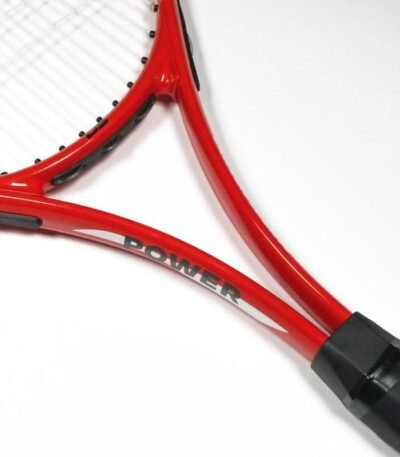
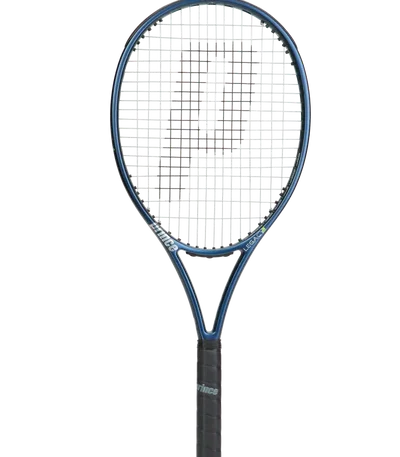
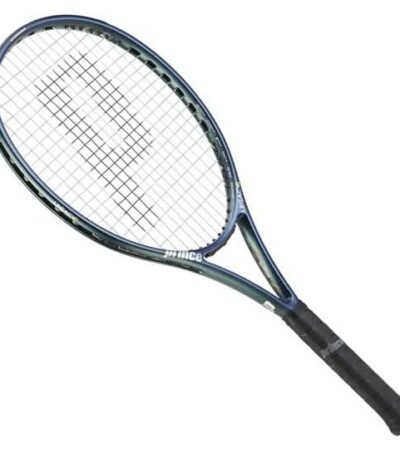
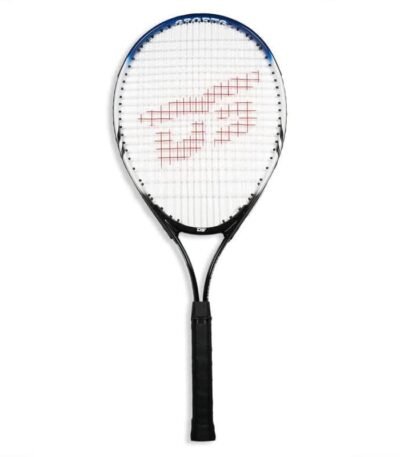
Explore tennis equipment in UAE, including adult tennis rackets, junior rackets, tennis balls, court nets, ball hoppers and practical racket bags. Different products serve different purposes, from developing basic strokes to supporting group training sessions and maintaining a properly equipped court.
A recreational player may need a comfortable racket and a suitable supply of tennis balls, while a school or tennis academy may require junior equipment, training baskets and dependable nets.
Understanding product sizes, materials, specifications and intended uses will help you compare options and select the tennis gear that fits your playing requirements.
Explore Our Range of Tennis Equipment
Tennis equipment is not limited to rackets. Balls, nets and training accessories all play an important role in practice and organised matches.
Tennis Rackets for Beginners
Beginner tennis rackets are designed for players who are developing their basic technique and learning consistent ball contact.
When selecting a racket, look at the head size, overall weight, balance, grip dimensions and stringing specifications.
A manageable racket with a relatively generous hitting area may be a comfortable starting point for some new players.
However, the best option depends on the player's height, strength, swing style and experience.
Compare the available racket models carefully instead of assuming that one design suits every beginner.
Adult Tennis Rackets
Adult tennis rackets come in different lengths, weights, head sizes and balance configurations.
Some models are intended for recreational play, while others are designed for experienced players who have specific preferences for power, spin and control.
A 27-inch racket is a common adult length, although specifications can vary.
Players comparing adult tennis rackets should consider whether they prefer a lighter frame for easier handling or a different weight and balance for greater stability.
The ideal choice is a racket that you can swing comfortably and control consistently.
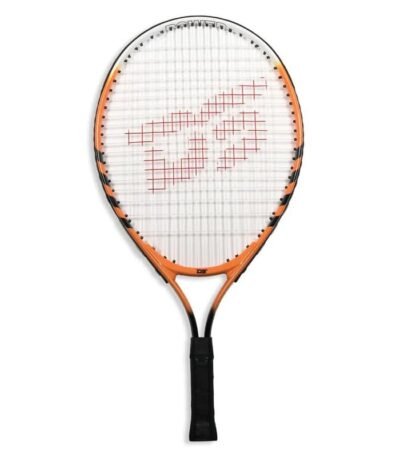
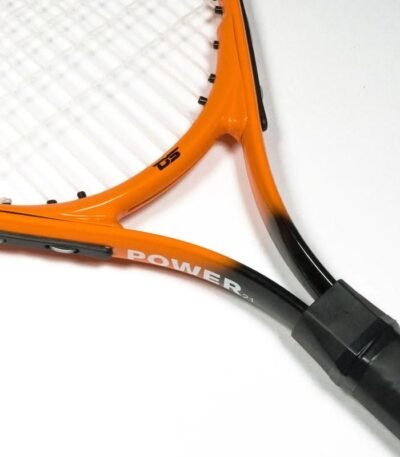
Junior Tennis Rackets for Young Players
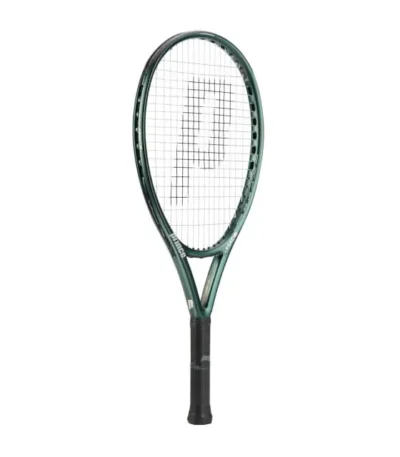
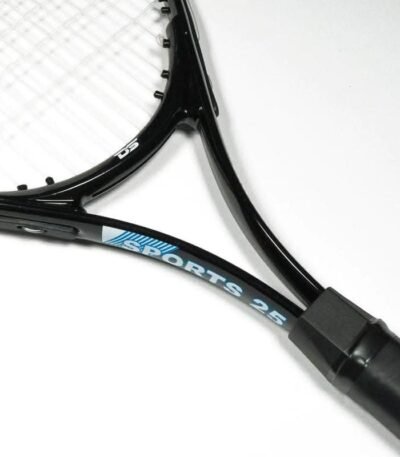
Junior tennis rackets are available in different lengths to suit younger players.
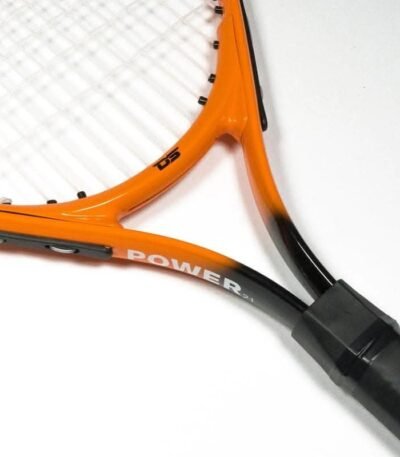
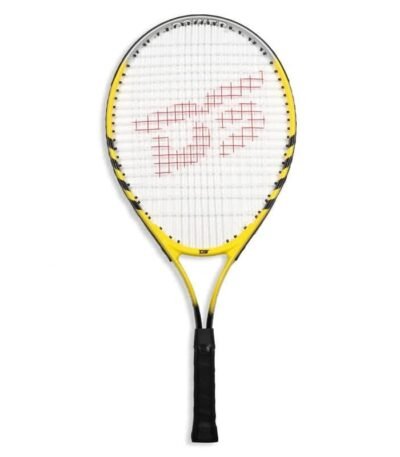
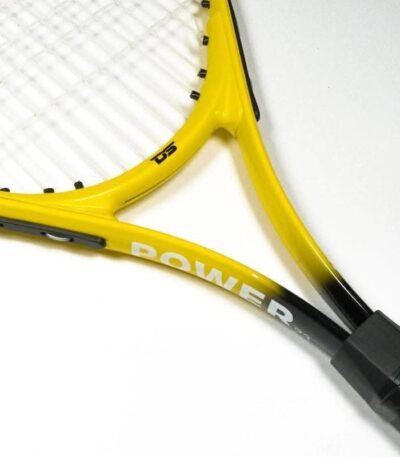
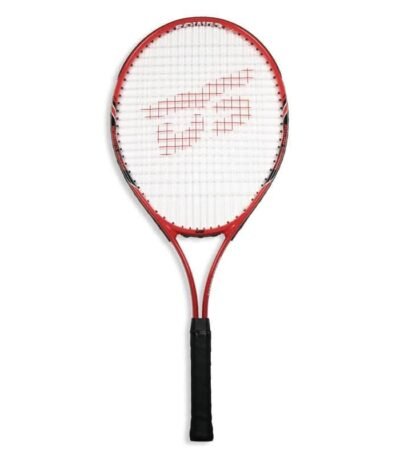
The category includes racket sizes such as 19, 21, 23 and 25 inches, allowing shoppers to compare equipment designed for different stages of junior tennis development.
Choosing the correct size is important because an oversized or heavy racket may be difficult for a child to handle.
Consider the player's height, age, strength and current coaching level when selecting a junior racket.
A coach can also help identify a suitable racket length and grip.
Junior players should progress to larger equipment when their physical development and technique make it appropriate.
Lightweight Tennis Rackets
Lightweight tennis rackets may appeal to beginners, recreational players and people who prefer easier manoeuvrability.
They can feel convenient during repeated practice swings and quick racket preparation.
However, lighter is not automatically better. Racket balance, frame stiffness and the player's swing characteristics also influence performance.
Compare the manufacturer's listed specifications and check whether the weight refers to the strung or unstrung racket.
Choose a frame that feels comfortable throughout a full playing session.
Control and Power Tennis Rackets
Tennis rackets can have different combinations of power, control, spin potential and impact feel.
Some designs feature larger hitting areas or construction intended to support a powerful response, while others prioritise particular control characteristics.
Racket head size, string pattern, tension, weight and balance all contribute to how a model behaves.
A more advanced racket is not always the most appropriate option for a beginner.
Select equipment according to your technique and playing preferences rather than relying only on performance labels.
Tennis Balls for Training and Matches
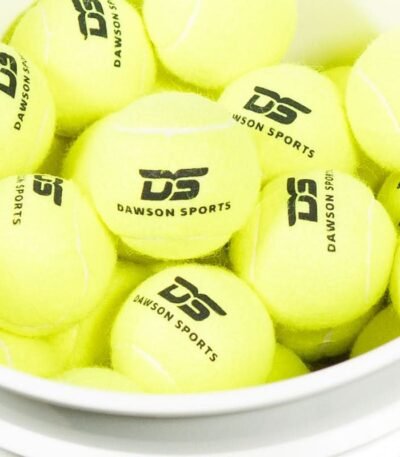
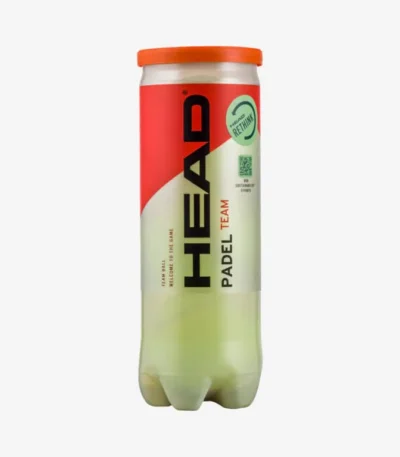
Tennis balls are essential for serves, rallies, drills and matches.
Different ball types can have different bounce characteristics, durability and intended uses.
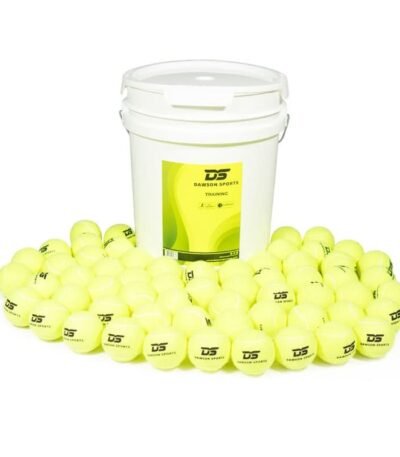
The category includes tennis ball products and bulk training quantities that may be useful for repeated practice.
When comparing tennis balls, check whether they are pressurised or pressureless, the intended playing environment and the number of balls included.
Do not assume every tennis ball is appropriate for every age group or coaching programme.
For formal competition, select balls that meet the relevant event requirements.
Pressureless Tennis Balls
Pressureless tennis balls are commonly used for repeated practice, coaching sessions and ball-machine training.
Unlike conventional pressurised balls, they do not depend on the same level of internal pressure for their playing characteristics.
Some training facilities choose pressureless balls because they can be practical for drills involving frequent ball use.
However, their playing feel can differ from that of pressurised match balls.
Review the manufacturer's intended use before choosing a training ball.
Tennis Ball Hoppers and Coaching Accessories
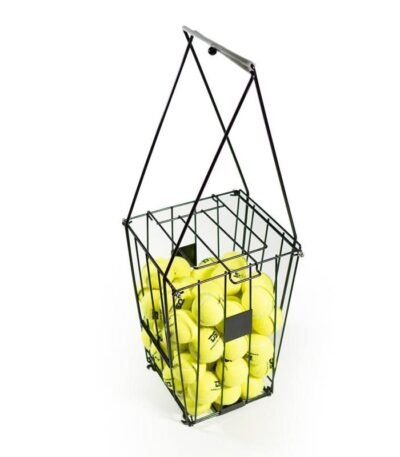
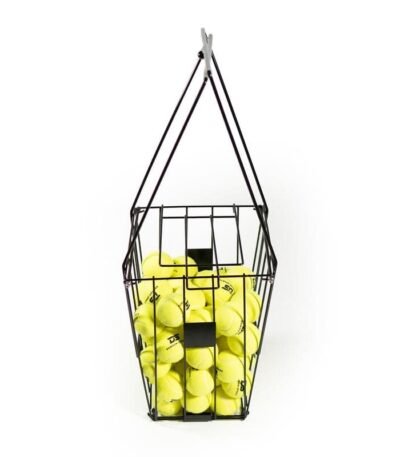
Tennis ball hoppers help collect, store and organise balls during training sessions.
They can be particularly useful for coaches, schools and academies conducting repetitive drills.
The category includes a tennis ball hopper alongside other training products.
When selecting a hopper, consider its ball capacity, construction, handles, storage requirements and ease of movement.
A suitable ball collection system can help keep practice sessions organised and reduce the need to retrieve individual balls after every drill.
Tennis Nets for Court Setup
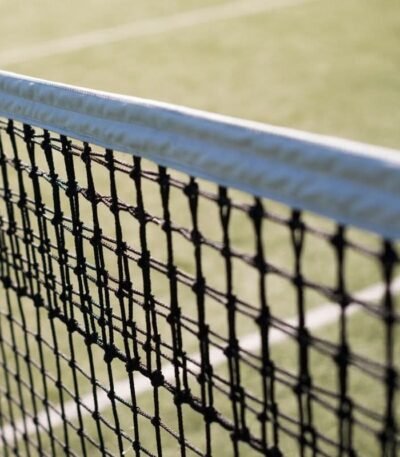
A tennis net is an important component of a correctly prepared playing court.
Nets differ in dimensions, mesh construction, materials and installation requirements.
The category includes a full-size tennis net listing for buyers comparing court equipment.
Before purchasing, confirm the required dimensions, available posts, attachment system and intended installation environment.
Check whether the product includes only the net or additional mounting components.
For organised matches, the net should be installed according to the applicable tennis court requirements.
Tennis Racket Bags
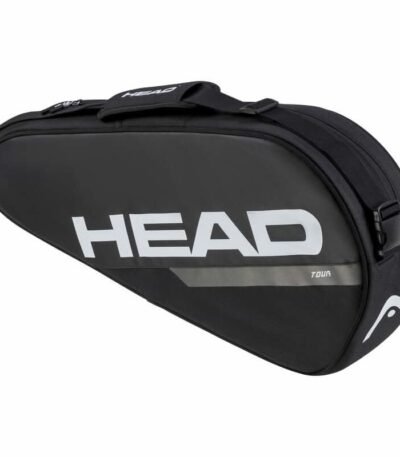
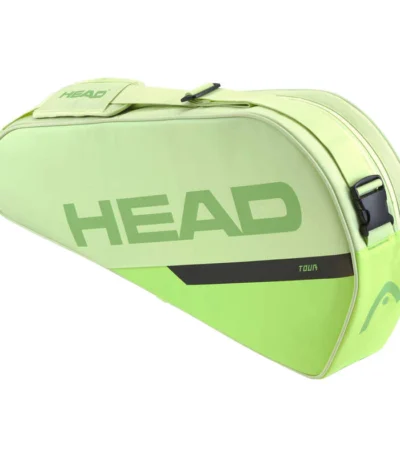
Racket bags help players transport and organise their equipment.
Depending on the model, a racket bag may provide space for one or several rackets and selected accessories.
When choosing a bag, check the capacity, dimensions, carrying straps, closure system and compatibility with your equipment.
A racket bag can also help protect equipment from unnecessary impacts during transport.
Browse the wider bags and backpacks collection for related storage options.
Tennis Equipment Comparison Guide
| Equipment Type | Main Purpose | Key Buying Considerations |
|---|---|---|
| Beginner Tennis Racket | Learning basic strokes | Head size, weight, grip |
| Adult Tennis Racket | Recreational and regular play | Length, balance, strings |
| Junior Tennis Racket | Youth training | Racket length, player height |
| Lightweight Racket | Easier handling | Swing weight, balance |
| Tennis Balls | Practice and matches | Ball type, bounce, quantity |
| Pressureless Tennis Balls | Repeated training drills | Durability, playing feel |
| Tennis Ball Hopper | Coaching and ball collection | Capacity, portability |
| Tennis Net | Court setup | Dimensions, mounting |
| Tennis Racket Bag | Equipment storage and transport | Capacity, construction |
Choose each product according to your playing environment, training frequency and experience level.
How to Choose the Right Tennis Equipment
1. Identify Your Playing Level
Beginners usually benefit from equipment that is easy to handle and suitable for developing technique.
Intermediate players may begin comparing more specific racket characteristics.
Experienced players often have established preferences for frame weight, string tension and balance.
Choose equipment according to your present needs rather than assuming that the most expensive model will provide the best result.
2. Check Tennis Racket Head Size
Racket head size affects the available string-bed area and can influence the hitting response.
Larger heads may offer a more forgiving contact area for some players.
Smaller heads can have different control and feel characteristics.
The right head size also depends on racket weight, string pattern and playing technique.
3. Compare Racket Weight and Balance
Racket weight influences how easy a model feels to move.
Balance describes how that weight is distributed along the frame.
Head-light, head-heavy and even-balanced designs can feel different during serves, groundstrokes and volleys.
Do not compare weight alone without considering the overall racket construction.
4. Choose a Suitable Grip Size
Grip comfort is important for maintaining a secure hold during play.
A grip that is too large or too small may make the racket feel uncomfortable.
Check the manufacturer's available grip sizes and consider professional guidance if you are uncertain.
Overgrips can adjust the handle feel, but they should not replace choosing an appropriately sized racket in the first place.
5. Review Strings and Tension
Tennis racket strings affect impact feel, spin response and playability.
Different strings and tensions produce different playing characteristics.
If a racket is supplied unstrung, account for the additional stringing requirement before purchasing.
Follow the manufacturer's recommended tension range and seek advice from a qualified stringer when needed.
6. Match Tennis Balls to Training Needs
Consider whether you need balls for occasional games, structured coaching or repeated drills.
Training programmes may use standard balls, pressureless balls or age-appropriate lower-compression balls, depending on the participants.
Compare product specifications and do not substitute one type for another without considering the intended activity.
7. Check Equipment Size and Compatibility
For nets, ball hoppers and storage accessories, dimensions and capacity matter.
Confirm that a net fits the available court setup and that a racket bag accommodates the equipment you intend to carry.
Check product descriptions for included components and installation requirements.
Tennis Equipment for Beginners, Schools and Clubs in UAE
Tennis Equipment for Beginners
New players often need a suitable racket, tennis balls and access to a properly prepared court.
The initial equipment choice should prioritise comfort, correct sizing and manageable handling.
A coach or experienced instructor can help players develop technique and understand when equipment changes may be useful.
Tennis Equipment for Schools
Schools may require junior rackets in several lengths, appropriate training balls and equipment for group activities.
When purchasing for students, consider age groups, racket sizes, safe storage and the number of participants.
Ball hoppers can help organise repeated drills, while appropriate court nets support structured practice.
Tennis Equipment for Clubs and Academies
Tennis clubs and academies may need larger quantities of balls, coaching accessories and replacement equipment.
Durability, maintenance, storage and compatibility with the facility's existing setup are important considerations.
Choose products according to the number of participants, training frequency and intended level of play.
Tennis Equipment for Players Across UAE
Players in Dubai, Abu Dhabi, Sharjah and other Emirates can choose tennis equipment according to indoor or outdoor court requirements.
For outdoor sessions, consider the playing surface, temperature and manufacturer guidance.
Avoid leaving rackets, strings and other temperature-sensitive equipment in excessively hot storage areas.
Tennis Equipment Prices in UAE
Tennis equipment prices in UAE vary according to product type, construction, specifications and intended use.
Junior rackets, adult rackets, training balls, nets and ball hoppers have different pricing considerations.
Important factors include:
-
Racket construction: Frame materials and manufacturing methods.
-
Racket specifications: Head size, weight, balance and stringing.
-
Junior sizing: Racket lengths and age-appropriate designs.
-
Ball packaging: Individual cans, multipacks and training buckets.
-
Court equipment: Net dimensions, mesh construction and attachment requirements.
-
Accessories: Bag capacity, materials and storage features.
Compare current prices in AED on individual product listings.
Look at technical suitability and included components alongside price to make a more informed purchase.
Tennis Equipment Maintenance and Care
Good equipment care helps maintain a consistent playing experience.
Tennis Racket Maintenance
Wipe the frame and handle after playing.
Inspect the strings for wear, check the grip for damage and look for cracks in the racket frame.
Replace worn strings and grips as appropriate.
Avoid striking the racket against the court or other hard objects.
Tennis Ball Storage
Keep tennis balls in suitable packaging and follow the manufacturer's storage recommendations.
Avoid excessive heat and prolonged exposure to direct sunlight.
Replace balls when their bounce, surface condition or playing characteristics are no longer suitable for the intended activity.
Tennis Net Care
Inspect the net mesh, top band and attachment points regularly.
Remove dirt using a cleaning method suitable for the material.
Store portable nets properly when not in use and replace damaged components when necessary.
Tennis Equipment Storage in UAE
High temperatures can affect certain racket materials, strings and accessories.
Avoid storing tennis equipment inside a hot parked vehicle.
Keep rackets, balls and bags in a dry, suitable indoor location whenever possible.
For other activities, explore the sports equipment collection or browse related racket sports equipment.
Frequently Asked Questions About Tennis Equipment
1. What equipment do I need to start playing tennis?
Basic tennis equipment includes a suitable racket, tennis balls and access to a properly equipped court with a net. Appropriate tennis footwear and comfortable sports clothing are also important.
2. Which tennis racket is suitable for beginners?
Beginners may prefer a racket with manageable weight, comfortable grip size and a relatively forgiving hitting area. The best option depends on the player's height, strength and experience.
3. What is the difference between adult and junior tennis rackets?
Junior tennis rackets are generally shorter and designed for younger players. Adult rackets have different dimensions and playing characteristics. Choose racket size according to the player's physical development and ability.
4. How much does tennis equipment cost in UAE?
Tennis equipment prices vary depending on product type, construction, model and included accessories. Check current product listings to compare accurate prices in AED.
5. What are pressureless tennis balls used for?
Pressureless tennis balls are commonly used for repeated practice, coaching drills and selected training activities. Their playing characteristics differ from conventional pressurised tennis balls.
6. What size tennis racket should a child use?
Children's racket sizes depend on their height, age, strength and experience. Junior rackets are available in several lengths, and a qualified coach can help identify an appropriate option.
7. What should I check before buying a tennis net?
Check the net dimensions, mesh construction, mounting requirements and compatibility with the available court posts. Confirm whether installation accessories are included.
8. Are tennis ball hoppers useful for coaching?
Yes. Tennis ball hoppers help coaches collect, transport and organise balls during drills. Choose a hopper based on capacity, portability and construction.
9. How often should tennis racket strings be replaced?
Restringing frequency depends on playing intensity, string condition and personal preference. Replace broken or significantly worn strings and follow the racket manufacturer's tension recommendations.
10. How should I store tennis rackets and balls in UAE?
Store tennis equipment in a dry indoor location away from excessive heat and prolonged direct sunlight. Protect rackets from impacts and follow manufacturer guidance for tennis balls and accessories.
Shop Tennis Equipment for Your Next Match
Whether you are starting tennis, selecting junior equipment, preparing for club matches or organising coaching sessions, choosing appropriate gear makes court preparation easier.
Explore tennis equipment in UAE, including adult and junior rackets, tennis balls, court nets, ball hoppers and practical storage accessories.
Compare the available products, review their specifications and current prices, and choose tennis gear that matches your playing level, training environment and budget.