Plyo Boxes
Categories
  • Plyo Boxes
Filter by price
    Original price was: AED 850.00.Current price is: AED 587.00.
    Original price was: AED 1,200.00.Current price is: AED 1,080.00.
    Original price was: AED 909.00.Current price is: AED 699.00.
    Original price was: AED 3,621.00.Current price is: AED 2,785.00.
    Original price was: AED 651.00.Current price is: AED 516.00.
    Original price was: AED 737.00.Current price is: AED 547.00.
    Original price was: AED 2,150.00.Current price is: AED 2,043.00.
    Original price was: AED 552.00.Current price is: AED 437.00.

    Plyo Boxes in UAE – Wooden & Foam Plyometric Jump Boxes

    Build explosive power, improve lower-body coordination, and add variety to your workouts with plyometric training equipment. A plyo box provides an elevated platform for exercises such as box jumps, step-ups, and controlled landing drills, making it a practical addition to many functional fitness routines.

    If you're looking for plyo boxes in UAE, choosing the right box involves more than selecting a height. Material, stability, surface grip, weight capacity, and intended exercises all influence which design is suitable for your training space.

    From wooden jump boxes to cushioned foam platforms, explore fitness equipment for home and commercial gyms in UAE to compare training solutions for different experience levels.

    What Is a Plyo Box?

    A plyo box, also known as a plyometric box or jump box, is a raised training platform used for exercises involving stepping, jumping, and controlled changes in body position.

    Plyometric training generally involves rapid muscle actions intended to develop power and movement performance.

    A plyo box can support this type of training by providing a defined platform for jumping and landing.

    However, plyo boxes are not limited to explosive movements. They can also be used for step-ups, supported exercise variations, and selected conditioning activities.

    The appropriate exercises depend on the box design, stability, height, and manufacturer's instructions.

    Types of Plyo Boxes for Home and Commercial Gyms

    Different plyo box materials offer different training characteristics.

    Understanding these differences can help you select equipment that suits your workout environment.

    Wooden Plyo Boxes

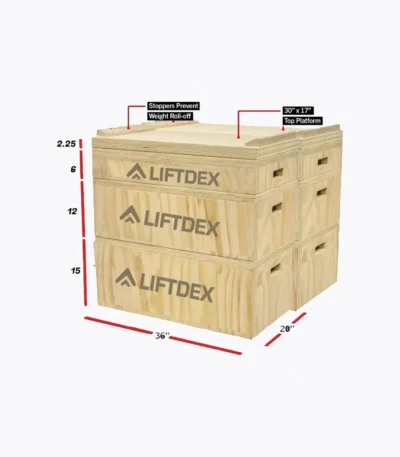
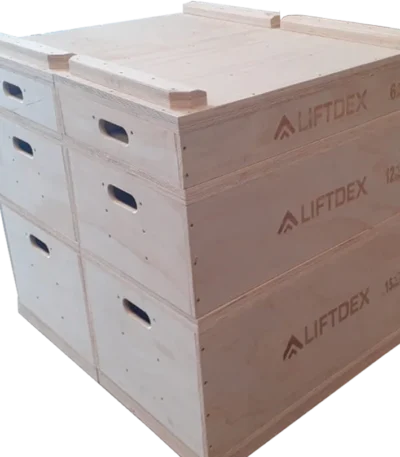
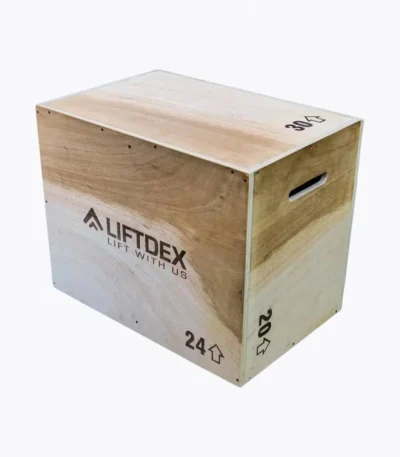
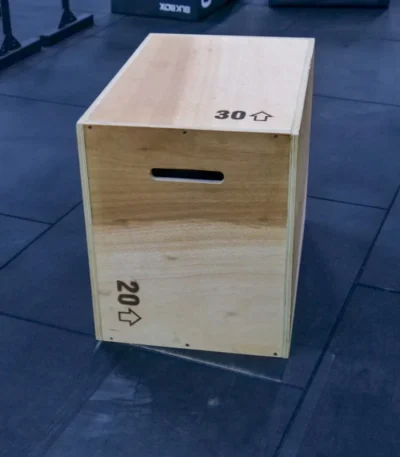
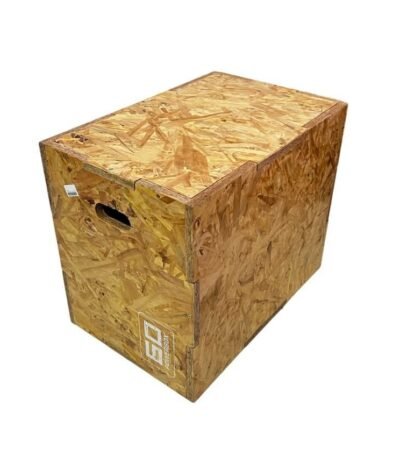
    A wooden plyo box typically uses a rigid wooden structure designed to provide a stable jumping or stepping platform.

    Many wooden boxes feature reinforced construction and textured or coated surfaces.

    Wooden plyometric boxes are commonly used for:

    • Box jumps
    • Step-ups
    • Controlled landing drills
    • Lower-body conditioning
    • Functional fitness circuits

    A wooden box should have a stable base and an appropriate surface finish to help reduce unwanted movement during exercise.

    Before purchasing, check its construction, assembly requirements, rated capacity, and recommended usage.

    Foam Plyometric Boxes

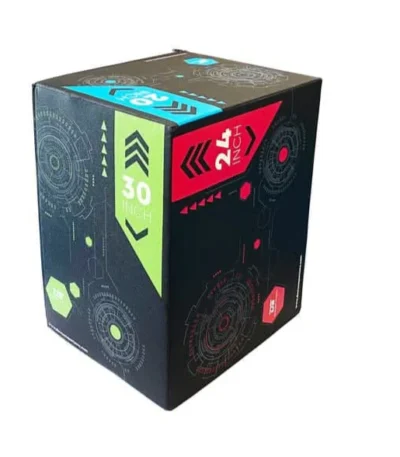
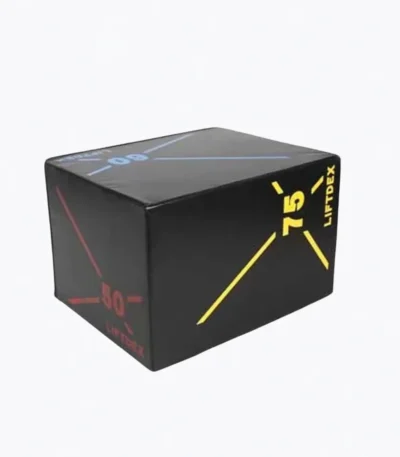
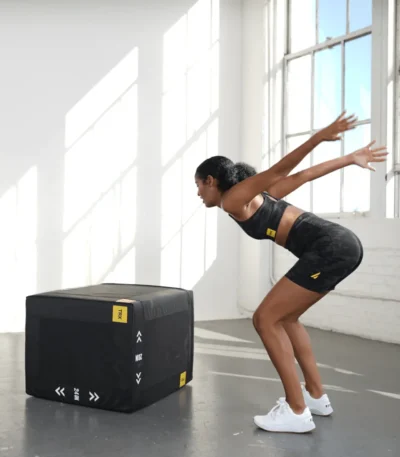
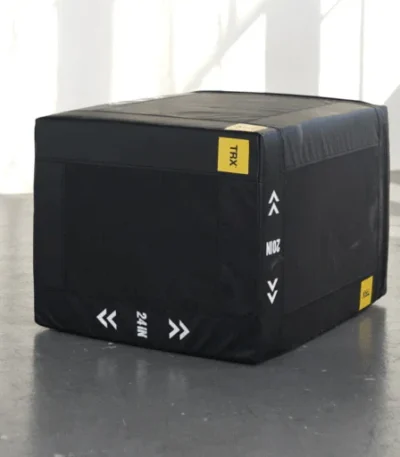
    A foam plyometric box uses cushioning materials to create a more forgiving exterior than a rigid wooden platform.

    Foam boxes are often selected for training environments where users want a cushioned surface and edges.

    However, the amount of cushioning and firmness varies by product.

    Foam construction does not eliminate the risk of falling or landing incorrectly.

    When choosing a foam box, review its stability, compression characteristics, surface grip, and manufacturer-rated capacity.

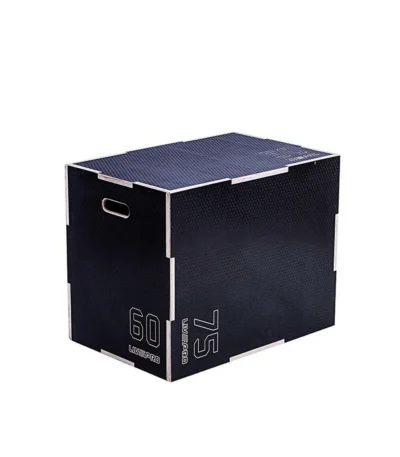
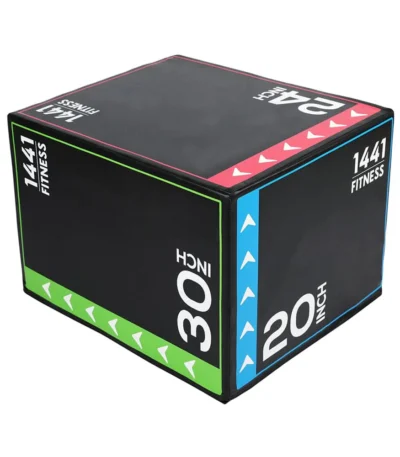
    3-in-1 Plyo Boxes

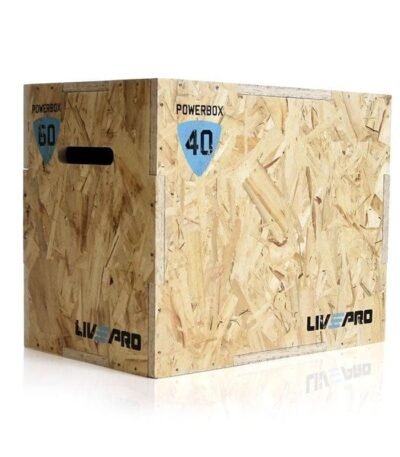
    A 3-in-1 plyo box provides multiple usable heights by changing the box's orientation.

    This design allows users to select different platform heights without purchasing separate boxes.

    For example, a 3-in-1 box may offer three height settings, although the actual dimensions depend on the product.

    This configuration can be useful for home gyms, personal training studios, and fitness facilities with limited storage space.

    Always position the box on the correct face and confirm that it is stable before starting an exercise.

    Wooden vs Foam Plyo Boxes – Which Should You Choose?

    Both wooden and foam plyometric boxes can support functional fitness training, but they differ in construction and feel.

    Feature Wooden Plyo Box Foam Plyo Box
    Construction Rigid wooden structure Cushioned foam-based design
    Surface feel Firm Typically more cushioned
    Edges Usually rigid Often softer
    Weight Depends on dimensions and construction Depends on foam density and design
    Common use Box jumps, step-ups and conditioning Jump training and selected functional exercises
    Buying consideration Stability, assembly and surface grip Firmness, stability and compression

    The best option depends on your training requirements rather than material alone.

    A properly constructed wooden box may suit users who prefer a firm platform, while a foam box may appeal to those who want a cushioned exterior.

    Benefits of Plyometric Box Training

    A plyometric jump box can support several aspects of physical training when used with suitable exercise programming.

    Develop Lower-Body Power

    Box jumps are commonly included in programs designed to develop explosive lower-body performance.

    They involve rapid force production followed by a controlled landing on an elevated platform.

    Training progression should match the user's strength, coordination, and experience.

    Improve Movement Coordination

    Stepping and jumping onto a stable platform require coordination between the hips, knees, ankles, and trunk.

    Controlled practice may help users develop confidence with different movement patterns.

    Add Variety to Strength Workouts

    Plyo boxes can be incorporated into circuits alongside other strength and conditioning exercises.

    This allows users to combine lower-body movements with selected bodyweight training activities.

    Support Progressive Training

    Different box heights can provide options for adjusting exercise difficulty.

    However, a higher box does not automatically produce a better workout.

    Exercise quality, landing control, and appropriate progression are more important than maximum jump height.

    Popular Plyo Box Exercises

    Plyo boxes can be used for several training movements, depending on the user's experience and the equipment's intended purpose.

    1. Box Jumps

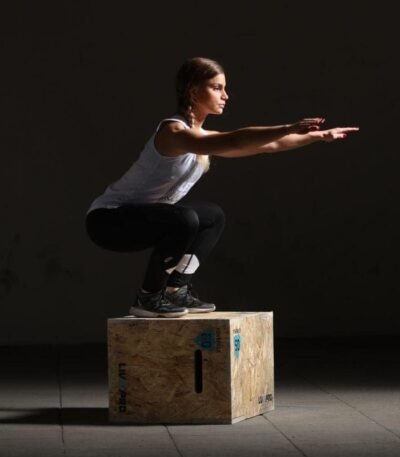
    Box jumps involve jumping from the floor onto an elevated platform.

    Start with a manageable height and focus on landing with control.

    Avoid selecting a box that requires excessive knee tucking or causes unstable landings.

    2. Step-Ups

    Step-ups involve placing one foot on the box and stepping onto the platform.

    They are commonly used for lower-body strength and coordination training.

    A lower box may be more appropriate for beginners.

    3. Lateral Step-Ups

    Lateral step-ups involve approaching the box from the side.

    They can provide a different movement pattern from traditional forward step-ups.

    4. Controlled Step-Downs

    Step-down exercises involve lowering one foot toward the floor while maintaining control.

    They can be used in selected lower-body training routines when performed on a suitable platform.

    5. Elevated Bodyweight Exercises

    Certain boxes may support exercises such as incline push-ups when the manufacturer permits that use.

    Always check the box's stability and intended applications before using it for movements other than stepping or jumping.

    How to Choose the Right Plyo Box Height

    Selecting the correct box height is important for effective training.

    Beginners should prioritize a height that allows controlled stepping or jumping without excessive strain.

    The right height depends on:

    • Training experience
    • Lower-body strength
    • Balance and coordination
    • Intended exercise
    • Available movement range
    • Landing technique

    For box jumps, choose a height that allows you to land securely with sufficient space for both feet.

    Avoid using an excessively high platform simply to increase exercise difficulty.

    A 3-in-1 plyo box may be convenient because it offers different height options within one product.

    Choosing a Plyo Box for Your Home Gym

    A plyo box for home gym training should fit comfortably within the available exercise area.

    Before buying, measure the floor space and ceiling clearance.

    Jumping exercises require enough room above and around the platform for safe movement.

    Important buying considerations include:

    • Box height and dimensions
    • Wooden or foam construction
    • Base stability
    • Surface grip
    • Maximum rated user load
    • Assembly requirements
    • Storage space
    • Manufacturer usage instructions

    Place the box on a stable, level surface and avoid using it on flooring that allows excessive movement.

    For other functional workout equipment, browse strength and conditioning training tools.

    Plyo Boxes for Commercial Gyms and Fitness Studios

    Commercial fitness facilities may use plyometric boxes for athletic conditioning, group training, and functional exercise programs.

    When selecting equipment for frequent use, consider durability, ease of cleaning, storage, and user suitability.

    Different box heights can help accommodate varying training experience levels.

    Gym owners should also establish equipment inspection procedures and provide appropriate exercise guidance.

    Inspect wooden boxes for loose panels or damaged edges and foam boxes for excessive compression, tears, or instability.

    Damaged equipment should be removed from use until it has been assessed according to manufacturer guidance.

    Plyo Box Price in UAE – What Affects the Cost?

    The plyo box price in UAE depends on material, size, construction, brand, and design.

    A wooden 3-in-1 box may have different pricing from a cushioned foam model.

    Factors that influence price include:

    • Wooden or foam construction
    • Available height settings
    • Box dimensions
    • Reinforced structural design
    • Surface materials
    • Maximum rated capacity
    • Assembly and maintenance requirements

    When comparing plyo boxes in Dubai, Abu Dhabi, Sharjah, and other UAE locations, review current product listings for accurate prices and specifications.

    Plyo Boxes and Other Strength Training Equipment

    Plyo boxes are commonly used for functional and athletic training, while traditional strength equipment serves other resistance-training purposes.

    For example, a plyo box can support jumping and stepping movements, whereas a squat rack provides barbell support for exercises such as squats.

    If you're building a complete workout space, explore squat racks for barbell strength training and the wider strength training equipment collection.

    Combining different equipment types can provide more exercise options when the training program and available space support them.

    Frequently Asked Questions About Plyo Boxes

    1. What is a plyo box used for?

    A plyo box is used for exercises such as box jumps, step-ups, controlled landing drills, and selected bodyweight movements. It is commonly included in functional fitness and athletic conditioning routines.

    2. What is the difference between a wooden and foam plyo box?

    Wooden plyo boxes provide a rigid platform, while foam boxes have a more cushioned exterior. Both can support suitable exercises, but their stability, surface feel, and construction differ.

    3. What are the benefits of plyometric box training?

    Plyometric box training can support lower-body power development, movement coordination, and exercise variety when performed with appropriate technique and progression.

    4. What height plyo box should beginners use?

    Beginners should choose a low, manageable height that allows controlled stepping or jumping. The appropriate height depends on strength, coordination, exercise type, and experience.

    5. Are 3 in 1 plyo boxes suitable for home gyms?

    Yes. A 3-in-1 plyo box can be useful for home gyms because it provides multiple height options in one piece of equipment. Check its dimensions, stability, and rated capacity.

    6. Can you use a plyo box for step-ups?

    Yes. Step-ups are a common plyo box exercise. Use a suitable box height and maintain controlled movement throughout the exercise.

    7. Are foam plyo boxes safer than wooden boxes?

    Foam boxes generally have more cushioned surfaces and edges, but they are not automatically safer in every situation. Stability, firmness, exercise technique, and correct usage remain important.

    8. How do I choose the right plyometric jump box?

    Consider material, height, stability, surface grip, available space, maximum rated load, and the exercises you intend to perform.

    9. How much does a plyo box cost in UAE?

    Plyo box prices vary depending on construction, size, material, brand, and available height options. Check current product listings for accurate prices.

    10. Where can I buy plyo boxes in Dubai and UAE?

    You can browse plyo boxes online from fitness equipment retailers serving UAE. Compare wooden and foam designs, dimensions, height settings, specifications, and current prices before purchasing.

    Shop Plyo Boxes in UAE for Functional Fitness Training

    Whether you need a wooden jump platform for structured workouts or a foam plyometric box for a cushioned training surface, selecting the right equipment starts with understanding your exercise requirements.

    Compare box construction, height options, stability, and available training space before making a purchase.

    Explore plyo boxes in UAE and find wooden, foam, and 3-in-1 plyometric training equipment for your home or commercial gym.